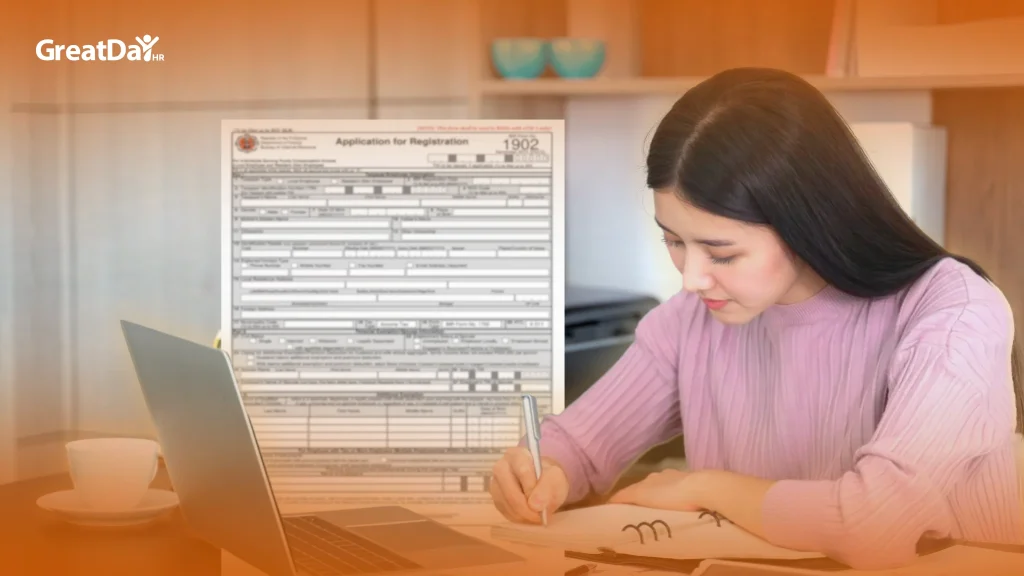
Understanding the Philippines payroll system is crucial for businesses operating in this Southeast Asian country. Whether you are a local enterprise or a multinational company, having a clear grasp of how payroll works can help you stay compliant with local laws and regulations, manage your workforce effectively, and ensure employee satisfaction. This comprehensive guide will take you through everything you need to know about the Philippines payroll system, from its components and processes to legal requirements and best practices.
1. Introduction to the Philippines Payroll System
The Philippines payroll system is a structured process that involves calculating and distributing employees’ salaries and wages. It encompasses a range of tasks such as determining gross pay, withholding taxes and other deductions, and ensuring timely disbursement of net pay. The system must comply with the regulations set by various government agencies, including the Department of Labor and Employment (DOLE) and the Bureau of Internal Revenue (BIR).
2. Key Components of the Payroll System
The payroll system in the Philippines consists of several key components:
- Gross Pay: The total amount earned by an employee before any deductions.
- Net Pay: The amount an employee receives after all deductions.
- Withholding Tax: The income tax deducted from an employee’s salary.
- Mandatory Contributions: Includes Social Security System (SSS), Philippine Health Insurance Corporation (PhilHealth), and Home Development Mutual Fund (Pag-IBIG) contributions.
- Deductions: Any additional deductions such as loans or advances.
3. Understanding Gross Pay and Net Pay
Gross pay includes the base salary, allowances, overtime pay, and other earnings. It is essential to accurately compute gross pay to ensure proper deductions. On the other hand, net pay is the amount left after all deductions have been made, and it is what the employee takes home.
Calculating Gross Pay
To calculate gross pay, you need to consider:
- Basic Salary
- Overtime Pay
- Holiday Pay
- Night Shift Differential
- Bonuses and Incentives
Determining Net Pay
Net pay is determined by subtracting the following from the gross pay:
- Withholding Tax
- SSS Contributions
- PhilHealth Contributions
- Pag-IBIG Contributions
- Other authorized deductions
4. Withholding Tax and Its Implications
Withholding tax is a significant part of the payroll process in the Philippines. Employers are required to withhold income tax from employees’ salaries based on the BIR tax tables. The amount of tax withheld depends on the employee’s salary bracket and the number of dependents.
How to Compute Withholding Tax
To compute withholding tax, follow these steps:
- Determine the employee’s taxable income by subtracting non-taxable allowances from the gross pay.
- Refer to the BIR tax table to find the applicable tax rate.
- Calculate the tax amount and deduct it from the employee’s salary.
5. Mandatory Contributions: SSS, PhilHealth, and Pag-IBIG
Social Security System (SSS)
The SSS provides social insurance for employees. Both employers and employees contribute to the SSS fund, with rates based on the employee’s monthly salary.
Philippine Health Insurance Corporation (PhilHealth)
PhilHealth provides health insurance coverage. Contributions are shared by employers and employees and are based on a fixed percentage of the employee’s salary.
Home Development Mutual Fund (Pag-IBIG)
Pag-IBIG is a government-mandated savings program that helps employees with housing loans and savings. Contributions are also shared by both employers and employees.
6. Payroll Process Flow
The payroll process flow in the Philippines involves several steps:
- Employee Information Gathering: Collecting and updating employee details.
- Timekeeping and Attendance: Tracking working hours, leaves, and absences.
- Payroll Calculation: Computing gross pay, deductions, and net pay.
- Payslip Generation: Creating and distributing payslips to employees.
- Disbursement: Paying salaries through bank transfers or checks.
- Reporting and Compliance: Submitting reports to government agencies and ensuring compliance with labor laws.
7. Legal Requirements and Compliance
Compliance with labor laws and regulations is critical in managing payroll in the Philippines. Key legal requirements include:
- Minimum Wage: Ensuring employees receive at least the minimum wage set by DOLE.
- Overtime Pay: Paying additional compensation for work beyond regular hours.
- Holiday Pay: Providing pay for work done during holidays.
- 13th Month Pay: Mandatory provision of an additional month’s salary.

Avoiding Legal Pitfalls
To avoid legal issues, businesses must stay updated with changes in labor laws, maintain accurate records, and ensure timely payment of salaries and contributions.
8. Best Practices for Payroll Management
Effective payroll management requires implementing best practices to streamline processes and ensure accuracy. These include:
- Using Payroll Software: Automating calculations and record-keeping.
- Regular Audits: Conducting periodic reviews to identify and correct errors.
- Employee Training: Educating employees about payroll processes and their entitlements.
- Outsourcing: Considering third-party payroll services for efficiency and compliance.
9. Common Challenges in Payroll Management
Managing payroll in the Philippines comes with its challenges, such as:
- Complex Regulations: Navigating numerous and ever-changing laws.
- Data Accuracy: Ensuring accurate data entry and calculations.
- Timeliness: Meeting payroll deadlines consistently.
- Employee Queries: Handling employee questions and concerns promptly.
Solutions to Overcome Challenges
To address these challenges, businesses can invest in technology, provide continuous training, and establish clear communication channels with employees.
10. Conclusion
The Philippines payroll system is a critical aspect of business operations that requires careful attention and adherence to legal standards. By understanding its components, processes, and compliance requirements, businesses can ensure smooth payroll management, maintain employee satisfaction, and avoid legal issues. Implementing best practices and staying updated with regulatory changes will further enhance the efficiency and accuracy of the payroll system.
In conclusion, mastering the Philippines payroll system is essential for any business operating in the country. By investing in proper tools and practices, companies can streamline their payroll processes, ensure compliance, and foster a positive work environment for their employees.